Introduction
In the age of digital influence, no platform has transformed youth culture as swiftly and powerfully as TikTok. What started as a hub for short dance videos and viral challenges has evolved into a cultural powerhouse, setting trends that ripple across industries—none more visibly than fashion. Today, TikTok is not just shaping how young people consume fashion but how they create, wear, and share it.
This article explores how TikTok has revolutionized youth fashion by democratizing style, accelerating trend cycles, and empowering a new generation of fashion influencers.
1. TikTok as a Real-Time Fashion Runway
On TikTok, every scroll is a runway. Users showcase their outfits through daily outfit-of-the-day (OOTD) videos, aesthetic montages, and themed challenges like #GRWM (Get Ready With Me). This constant stream of personal style content means fashion inspiration is always a tap away.
Young creators don’t need designer clothes or studio lighting—they just need a phone and personality. The result is a diverse and dynamic showcase of real-world fashion that feels more relatable than traditional runway shows.
2. Micro-Trends and Viral Aesthetics
TikTok has accelerated the rise of micro-trends—short-lived but highly influential style movements that go viral seemingly overnight. From “cottagecore” and “Y2K” to “clean girl” and “blokecore,” TikTok fuels endless aesthetic waves that young people try, adapt, and move on from quickly.
These micro-trends are often born from a single viral video or creator, with the TikTok algorithm amplifying them across millions of feeds within hours. Youth fashion has become more experimental, fast-paced, and expressive as a result.
3. The Rise of DIY and Thrift Culture
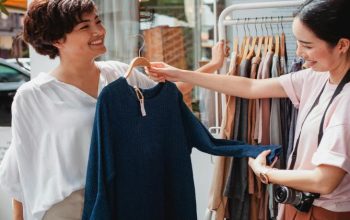
TikTok has played a major role in reviving thrift shopping and DIY fashion among Gen Z. Creators share thrift hauls, upcycling tutorials, and “how to style vintage” content that promotes sustainability and creativity.
Instead of focusing on buying new, many TikTok users champion individuality and resourcefulness—turning old jeans into trendy tops or transforming oversized blazers into statement pieces. This DIY spirit encourages young people to view fashion as a form of personal art, not just consumerism.
4. Influencers Without Fame: Peer-to-Peer Inspiration
Unlike Instagram, where influencers are often celebrities or polished content creators, TikTok’s algorithm allows virtually anyone to go viral. A teenager from a small town can post a lookbook video that racks up millions of views overnight.
This decentralized influence structure means that youth fashion trends aren’t dictated from the top down. Instead, they emerge organically from peer-to-peer content, making the platform a grassroots movement for fashion innovation.
5. Fashion Brands Are Watching Closely
Major fashion labels are taking note of TikTok’s cultural sway. Brands like Zara, ASOS, and Shein actively collaborate with TikTok influencers or adapt trends that gain traction on the platform. Some even launch collections inspired by popular TikTok aesthetics.
Additionally, luxury brands like Gucci and Prada have entered the TikTok space, trying to tap into the younger audience with stylized campaigns, challenges, and influencer collaborations.
6. Hashtags That Define Style Movements
TikTok’s hashtag system plays a key role in shaping youth fashion. Hashtags like #TikTokFashion, #StreetStyle, #SoftGirl, or #Eboy help categorize styles, creating digital communities around specific fashion identities.
Users can explore these hashtags to find inspiration, share looks, and discover their own place in the ever-evolving landscape of youth fashion. It’s a space where identities are explored and expressed through clothing.
7. Fashion Education and Style Tutorials
TikTok has become an unlikely but powerful source of fashion education. Stylists, fashion students, and knowledgeable creators share bite-sized content on color theory, layering tips, fashion history, and body type styling.
This kind of free, accessible knowledge empowers young people to make informed style choices and develop confidence in expressing themselves through clothes.
8. The Downside: Fast Fashion and Overconsumption
While TikTok promotes creativity, it also has a dark side—fueling overconsumption. The constant pressure to keep up with micro-trends can lead to impulse buying, often from fast fashion retailers that prioritize low cost over sustainability.
Some creators and viewers are pushing back with content promoting slow fashion, capsule wardrobes, and mindful shopping habits. Still, the platform must grapple with its role in accelerating the fashion cycle to unsustainable speeds.
Conclusion
TikTok has redefined the fashion landscape for youth—turning it into an interactive, fast-moving, and deeply personal space. It has democratized influence, diversified style representation, and made fashion more accessible and expressive than ever before.
While challenges like trend fatigue and sustainability remain, one thing is certain: TikTok isn’t just shaping what young people wear—it’s shaping how they think about fashion itself.
FAQs: How TikTok is Shaping Youth Fashion
1. How has TikTok changed the way young people view fashion?
TikTok has made fashion more interactive, accessible, and fast-paced. Instead of following traditional style icons or magazines, young people now look to relatable creators and viral trends for fashion inspiration.
2. What are TikTok fashion micro-trends?
Micro-trends are short-lived but influential style trends that spread quickly on TikTok. Examples include aesthetics like “cottagecore,” “Y2K,” “clean girl,” and “blokecore,” often sparked by a single viral video.
3. Why is TikTok considered more influential than other platforms for youth fashion?
Unlike other platforms, TikTok’s algorithm promotes content from anyone, not just big influencers. This allows everyday users to set trends and shape fashion conversations organically and virally.
4. How does TikTok promote sustainability in fashion?
Many TikTok creators encourage thrifting, upcycling, and DIY fashion. This promotes sustainability and helps young people view fashion as a creative expression rather than constant consumption.
5. Are fashion brands using TikTok to reach Gen Z?
Yes. Both fast fashion and luxury brands use TikTok to engage with younger audiences through influencer collaborations, hashtag challenges, and campaigns inspired by TikTok-born aesthetics.
6. What role do hashtags play in TikTok fashion trends?
Hashtags like #OOTD, #TikTokFashion, #StreetStyle, and #ThriftFlip help organize and spread fashion trends. They connect users to specific aesthetics and communities of like-minded fashion lovers.
7. Can anyone become a fashion influencer on TikTok?
Yes. One of TikTok’s biggest strengths is that anyone can go viral. A creative or well-styled outfit shared by an everyday user can attract millions of views overnight.
8. How does TikTok affect fashion consumption habits?
TikTok encourages both creativity and rapid trend adoption, which can sometimes lead to overconsumption. While many promote mindful shopping, the pressure to keep up with trends remains a concern.
9. What kinds of fashion content are most popular on TikTok?
Popular content includes OOTD videos, “Get Ready With Me” (#GRWM) clips, thrift hauls, styling tutorials, and aesthetic lookbooks based on specific trends or vibes.
10. Is TikTok helping young people develop personal style?
Absolutely. TikTok gives users the tools and inspiration to experiment with different styles, learn fashion tips, and confidently express themselves through clothing in unique ways.